.png)
Black Maria at the Center of New Jersey’s Film Renaissance
Updated: Jan 22
New Jersey is buzzing with creative energy as filmmakers rediscover the state’s deep roots in motion picture history. At the center of this renewed excitement is the Black Maria, the world’s first purpose-built movie studio, where Thomas Edison helped shape the future of filmmaking. In many ways, Hollywood is not arriving somewhere new, it is reconnecting with where it all began.
You may have read in the news that Netflix is preparing to build their next "mega studio" in the same state from where Thomas Edison built the world's first movie studio, the Black Maria. Governor Phil Murphy’s administration says that this initiative could help turn Jersey into the “Hollywood of the East.”
The state is booming with new construction in cities like Bayonne, Newark, and Carteret, all just miles from where the Black Maria once stood in West Orange, New Jersey.
The award-winning movie The Joker and the series Succession were filmed in the same northern region of New Jersey where Edison first experimented with filmmaking at the Black Maria and later produced films like The Great Train Robbery.
Edison’s legacy is deeply intertwined with New Jersey’s film history. The Black Maria movie studio, created in 1893, served as a laboratory for experimentation and creativity, where Edison and his team pushed the earliest boundaries of visual storytelling.
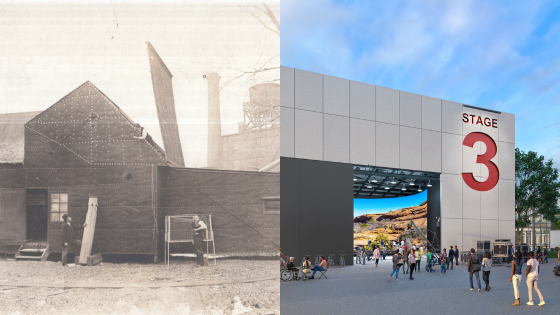
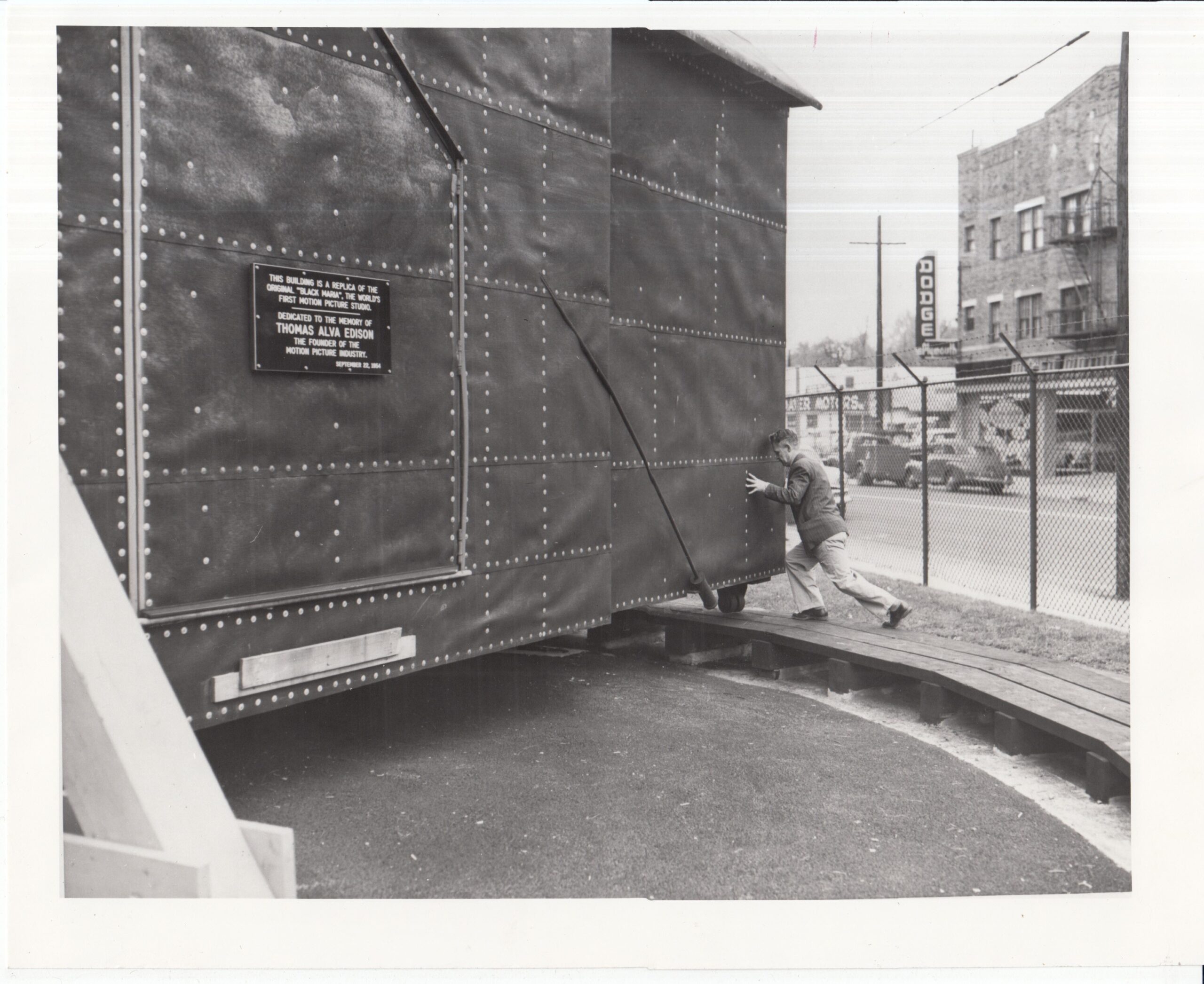
Nicknamed for its resemblance to a paddy wagon, the Black Maria studio was equipped with a roof that could be opened to use sunlight for filming, since electric lighting was not yet available.
It was a kind of living piece of technology that had to be wrestled into place every hour or so. It used the light of the sun for filming and since the sun moves about 15 degrees across the sky every hour, Edison's staff had to push the building around on a circular track to make sure it faced the sun for maximum illumination. This innovative design made the Black Maria a moving piece of film technology, unlike anything that existed at the time.
AAlthough most films were only about 20 seconds long, stories unfolded inside the tar-covered walls of the Black Maria that would forever change film history. The earliest copyrighted film in history that still survives is actually Edison’s “Kinetoscopic Record of a Sneeze” in January 1894. He was also one of the first to experiment with color film and putting sound to film in this very studio.

Just as the Black Maria once stood at the center of filmmaking innovation, New Jersey is again emerging as a hub for creativity. Today, as the landscape of filmmaking undergoes another transformation, New Jersey emerges once again as a hub of cinematic innovation with its vibrant blend of cultures, bustling cities, and timeless landscapes. These modern studios, equipped with state-of-the-art technology and fueled by boundless imagination, are poised to redefine the cinematic landscape yet again. The resurgence of excitement and creativity is truly reminiscent of Edison's era.
As we embrace the future, let's not forget the lessons of the past and pay homage to the visionary pioneers who paved the way for us. Innovation isn't just about technology; it's about preserving the spirit of creativity and exploration that defines New Jersey's cinematic legacy.
In this ever-changing world, the magic of cinema has once again found its way home, to the creative spirit that began inside the Black Maria.
Help Keep the Story of the Black Maria Alive
If you believe in preserving the birthplace of motion pictures and sharing its story with future generations, consider supporting the Black Maria initiative. Your contribution helps fund educational programs, digital exhibits, and preservation efforts that keep this legacy accessible to students, filmmakers, and the public.


Comments