.png)
Why Thomas Edison Believed Electric Cars Were the Future
Long before today's conversations about charging stations and electric vehicles, Thomas Edison believed electricity could power the future of transportation. More than a century later, visitors can still see where that future was taking shape.
The Electric Car Is Older Than You Think
Today's headlines are filled with stories about electric vehicles, battery range, and charging infrastructure. It might seem like a distinctly 21st-century conversation, but it isn't.
More than 125 years ago, Thomas Edison was asking many of the same questions.
His interest in batteries stretched back decades. As a telegraph inventor, he understood that storing electricity efficiently was one of engineering's greatest challenges. Throughout the 1870s and 1880s, he experimented with batteries for the electric pen, the phonograph, and improvements to the Edison-Lalande primary battery. He even investigated storage batteries for central electric generating stations before concluding the technology simply wasn't ready.
When the automobiles emerged in the late 1890s, Edison saw something different: not a new invention to chase, but a new opportunity for batteries.
Building a Better Battery
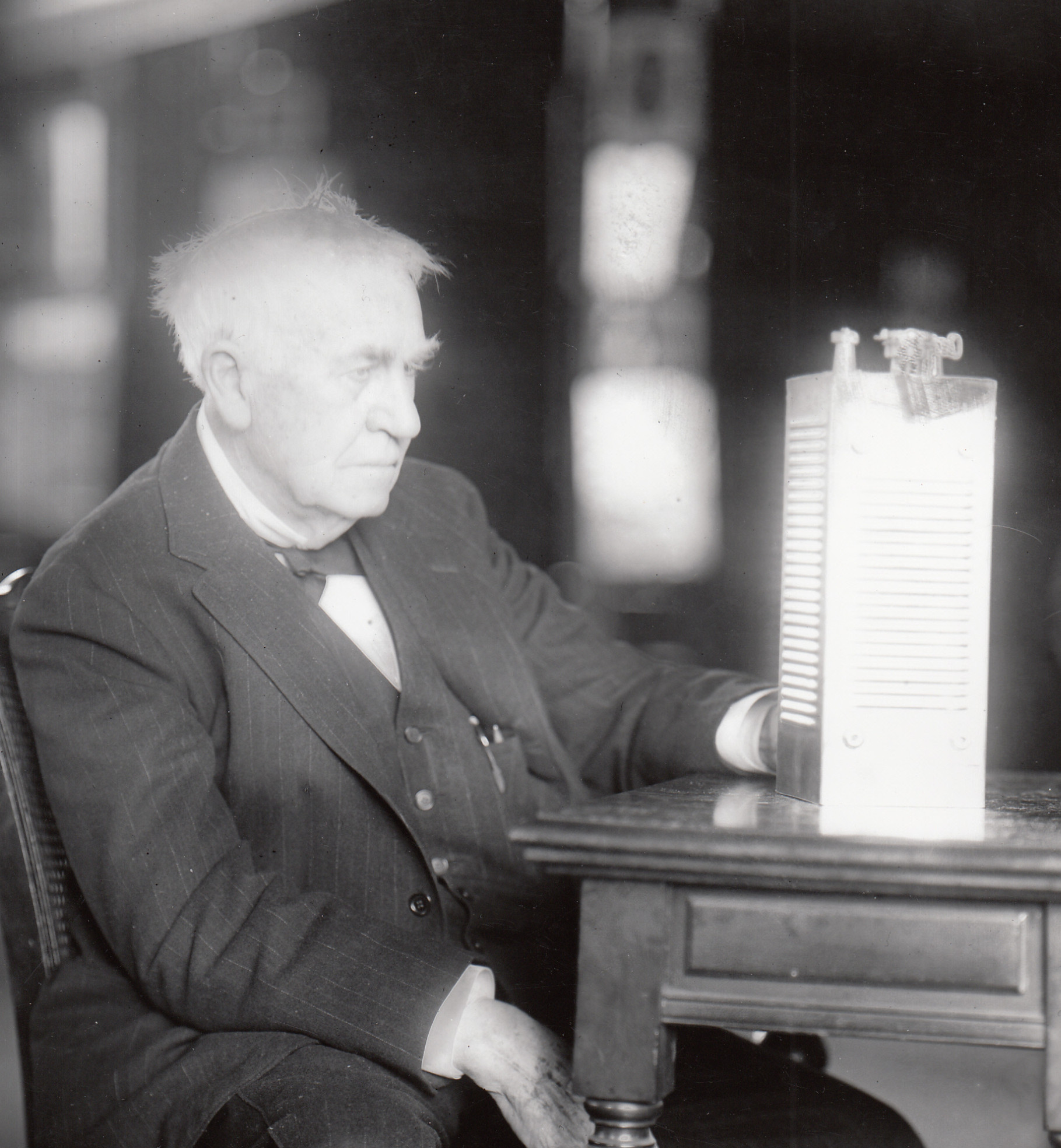
In 1899, Edison began developing an alkaline storage battery that he hoped would outperform the heavy, high-maintenance lead-acid batteries used in early electric automobiles.
His goal wasn't simply to build another battery. He wanted one that was lighter, more durable, more reliable, and capable of surviving thousands of charge and discharge cycles.
It proved to be one of the most difficult engineering challenges of his career.
After receiving his first nickel-iron battery patents in 1901, Edison continued refining the design. Important improvements followed in 1906, including new desulfurized rubber insulators that prevented chemical contamination and redesigned internal grids that allowed the battery plates to expand without damaging the battery itself. By 1910, after more than a decade of experimentation, the perfected design entered commercial production in New Jersey.
More Than Electric Cars
Although Edison hoped his batteries would help transform personal transportation, they quickly found success in places where reliability mattered most. They powered:
Railroad signaling systems
Industrial locomotives
Factory equipment
Ships
Miners' safety lamps, which dramatically improved underground working conditions by replacing more dangerous lighting methods
Commercial delivery trucks

By 1905, more than 250 commercial delivery trucks were already operating with Edison storage batteries. In crowded cities, electric trucks offered several advantages over gasoline-powered vehicles. They were quieter, easier to start, produced no smoke or odor, and could often operate throughout an entire workday without refueling.
The Garage That Was 100 Years Ahead of Its Time
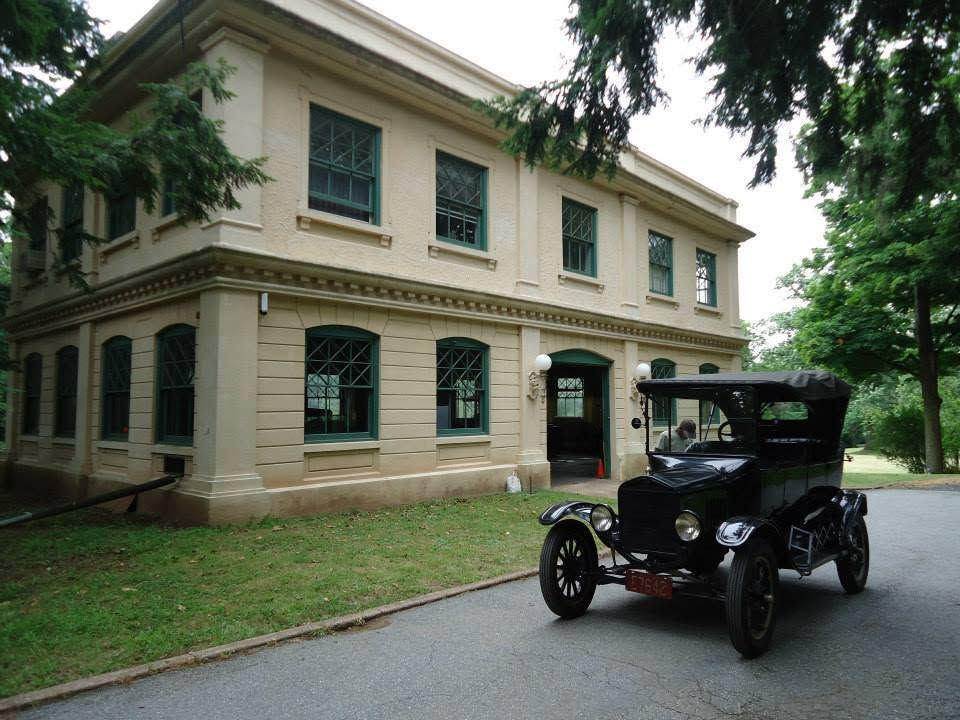
Built in 1908, Edison's cement garage houses what is believed to be the oldest surviving garage-based electric vehicle charging station.
More than a century before homeowners routinely plugged electric vehicles into chargers overnight, Edison had already designed a system to recharge the batteries in his own automobiles.
His collection reflected an open mind toward new technology. Over the years, Edison owned steam-powered, gasoline-powered, and electric vehicles. Among them were two Detroit Electric automobiles powered by his nickel-iron storage batteries, including a 1911 Detroit Electric Victoria and 1914 Detroit Electric Brougham, the preferred vehicle of his wife, Mina. The 1914 model was advertised with an 80-mile range and a top speed of 20 miles per hour, impressive figures for the era.
The garage itself was equally innovative. It featured a gasoline pump, grease pit, rotating turntable, battery charging equipment, and everything needed to maintain a modern fleet of automobiles.
It also housed one of Edison's favorite possessions: the 1916 Ford Model T presented to him by his close friend Henry Ford.
The Electric Future Edison Predicted

Gasoline-powered automobiles ultimately won the race for the American consumer. Ford's Model T, introduced in 1908, was inexpensive, practical, and supported by a growing fuel infrastructure.
Today, engineers are working towards electric car batteries that are lighter, longer lasting, faster charging, and capable of powering cleaner transportation. Edison believed that figuring out a way to combine all of these attributes would eventually make them practical for everyday use.
In other words, "There's a better way to do it, find it."
See Edison's Electric Cars at Glenmont
Interested in touring Edison's innovative garage in West Orange, NJ?
In 2017, the Edison Innovation Foundation helped complete a $2.5 million restoration of the garage and its historic vehicles, preserving this remarkable chapter of automotive history for future generations.
More than a century after Edison installed his charging station, history came full circle. Thomas Edison National Historical Park became one of the first National Park Service sites to receive modern electric vehicle charging stations through a partnership with BMW of North America, the National Park Foundation, and the National Park Service.
Edison could never have imagined today's charging technology. But he likely would have appreciated the sight of electric vehicles once again pulling into his property to recharge.

Comments